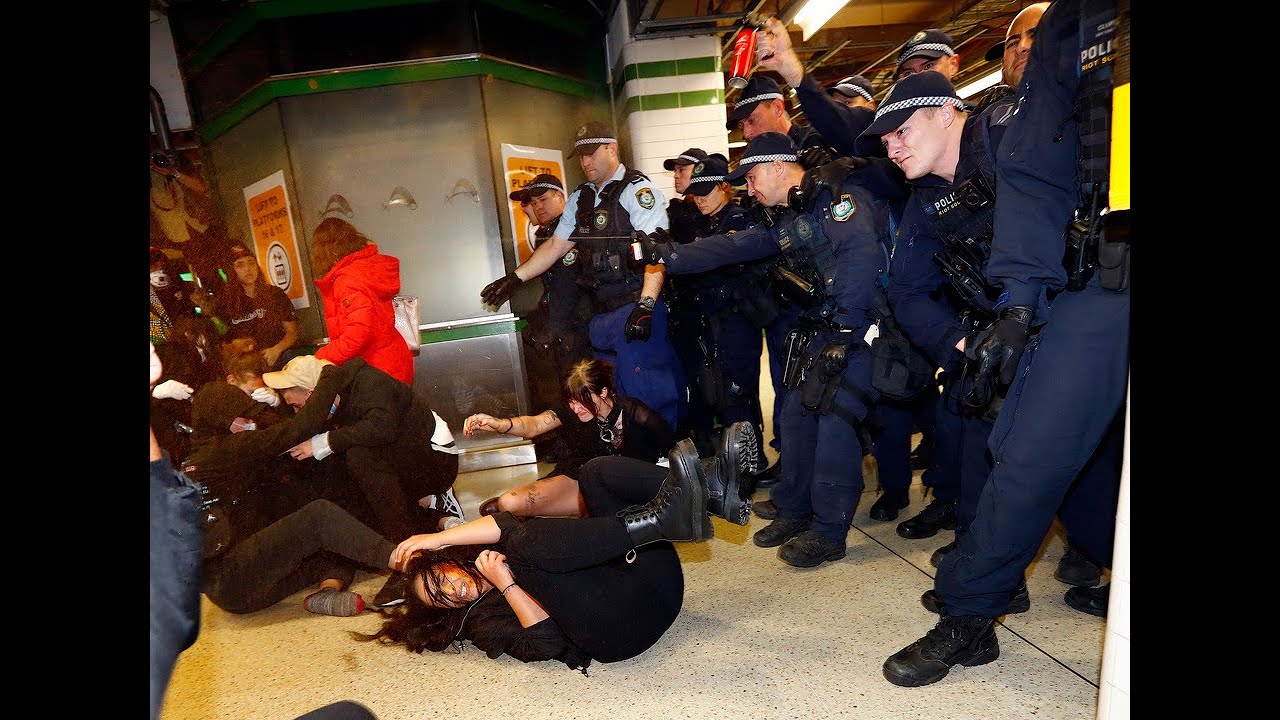
Is Police Pepper Spray Truly "Nonlethal"? Sydney Death Ignites Debate
The tragic death of a 52-year-old
man in Sydney following an encounter with police involving pepper spray has ignited a fierce debate about the true nature of so-called "nonlethal" police weapons. This incident forces a critical re-evaluation of how such tools are classified, used, and the accountability that follows when their application has fatal consequences. While authorities maintain that Oleoresin Capsicum (OC) spray is a safe option for law enforcement, the recent events in New South Wales challenge this assertion, particularly when underlying medical conditions may be a factor.
The Incident That Sparked the Question
The catalyst for this renewed scrutiny occurred in early January 2026. Responding to a domestic violence callout in Campbeltown, NSW police officers deployed OC spray against a 52-year-old man in an attempt to effect an arrest. Following the spraying, the man received immediate medical attention from paramedics at the scene before being transported to Westmead Hospital. Tragically, he passed away later that evening at 8:30 pm.
In the wake of this death, a critical incident investigation was immediately launched. The Campbeltown Police Area Command is spearheading the inquiries, with oversight provided by the NSW Law Enforcement Conduct Commission (LECC). NSW Police Commissioner Mal Lanyon addressed the media shortly after, stating that it was "very premature" to establish a direct link between the pepper spray and the man's death. He posited that a pre-existing medical condition might have been exacerbated, emphasizing that OC spray is traditionally considered a "nonlethal option" designed to ensure police safety. However, this statement has only fueled the contention surrounding the incident. For more details on the initial police response and investigation, see our related article:
Sydney Man Dies After Police Pepper Spray Incident: Investigation Underway.
Understanding OC Spray: A "Nonlethal" Tool?
Oleoresin Capsicum (OC) spray, commonly known as pepper spray, is derived from the chili pepper plant. When deployed, it causes immediate irritation to the eyes, skin, and respiratory system, leading to temporary blindness, burning sensations, coughing, and difficulty breathing. Police forces worldwide adopt it as a "less-lethal" or "nonlethal" option, intended to incapacitate individuals without causing permanent injury or death. The underlying principle is to provide officers with a tool to de-escalate volatile situations and gain compliance, offering an alternative between verbal commands and the use of firearms.
Historically, pepper spray was introduced with the promise of reducing fatalities by giving officers a tool short of pulling out their guns. This was framed as a progressive step in policing, aiming to minimize harm in confrontational scenarios. However, critics argue that its widespread adoption has not always translated into fewer deaths or less violence. Instead, some contend that it has become a tool of convenience, used liberally in situations that may not warrant such an intense response, or as a punitive measure. The Sydney incident, where a
man dies Sydney after being sprayed, starkly brings this debate to the forefront.
The Contradiction: Medical Conditions and "Nonlethal" Claims
Commissioner Lanyon's acknowledgement that a medical condition "may have been exacerbated" by the pepper spray, followed by his reiteration that it's a "nonlethal" option, highlights a profound contradiction at the heart of the debate. If a substance, even one generally considered benign, can trigger or worsen a critical underlying health issue to the point of fatality, can it truly be labeled "nonlethal" in all contexts?
Social justice advocates argue vehemently against this interpretation. They posit that calling pepper spray "nonlethal" when it has the potential to be fatal for individuals with conditions like asthma, heart disease, or other respiratory or cardiac vulnerabilities is a dangerous misapplication of the term. The argument is clear: if an intervention, especially a chemical one, interacts with a known vulnerability to cause death, then the responsibility cannot be solely shifted to the medical condition itself. In such cases, the weapon's deployment becomes a direct contributing factor to the death. The coroner's report, once released, will be crucial in determining the exact cause of death and whether a direct link can be established between the OC spray, any existing medical conditions, and the tragic outcome for the
man who died in Sydney. This investigation will undoubtedly shape future policies and training around the use of pepper spray.
Beyond Compliance: The Broader Use of Pepper Spray
The scope of pepper spray's application has also come under increasing scrutiny. While it was initially conceived as a tool for managing violent or highly resistant individuals, its use has reportedly broadened. Academics and legal experts point out that police often deploy OC spray not just against those actively violent, but also against individuals who are "potentially violent" or even "passively noncompliant." This expansion of use cases raises ethical questions about proportionality and the appropriate thresholds for deploying such a potent chemical agent.
The concept of a "shouting and shooting" gap – an option for officers when verbal commands fail but lethal force is not yet warranted – is often cited as the justification for pepper spray. However, critics suggest that this gap is sometimes filled too readily, bypassing de-escalation techniques that might be less invasive. A significant legal precedent supporting this concern emerged in December 2025, when a Victorian Supreme Court class action found that VicPol officers had improperly wielded pepper spray during an IMARC demonstration. This ruling underscores the necessity for strict guidelines, comprehensive training, and robust accountability mechanisms to prevent the misuse of "nonlethal" weapons. The Sydney death serves as a stark reminder that even tools intended to be less harmful can have devastating, irreversible consequences.
Conclusion
The death of a
man in Sydney after being pepper sprayed by police has propelled the conversation around "nonlethal" weapons into an urgent spotlight. While OC spray is designed to be a safer alternative to firearms, this tragic incident, coupled with expert analysis and past legal challenges, demands a thorough re-evaluation of its true risks and appropriate deployment. The ongoing critical incident investigation and the impending coroner's findings will be pivotal in shaping public trust and police protocols in New South Wales and beyond.
Ultimately, the debate extends beyond a single incident; it touches upon the fundamental principles of policing, accountability, and the ethical use of force. For law enforcement, the challenge lies in ensuring that tools intended to protect safety do not inadvertently lead to preventable fatalities. For the public, it reinforces the need for transparency and independent oversight, reminding us that constant vigilance is required to safeguard citizens' rights and lives. While tragic incidents like this, or even when a
Sydney man dies in an e-bike battery fire due to other safety concerns, highlight different facets of public safety, they collectively underscore the vital importance of ongoing scrutiny and adherence to best practices in all areas impacting community wellbeing.