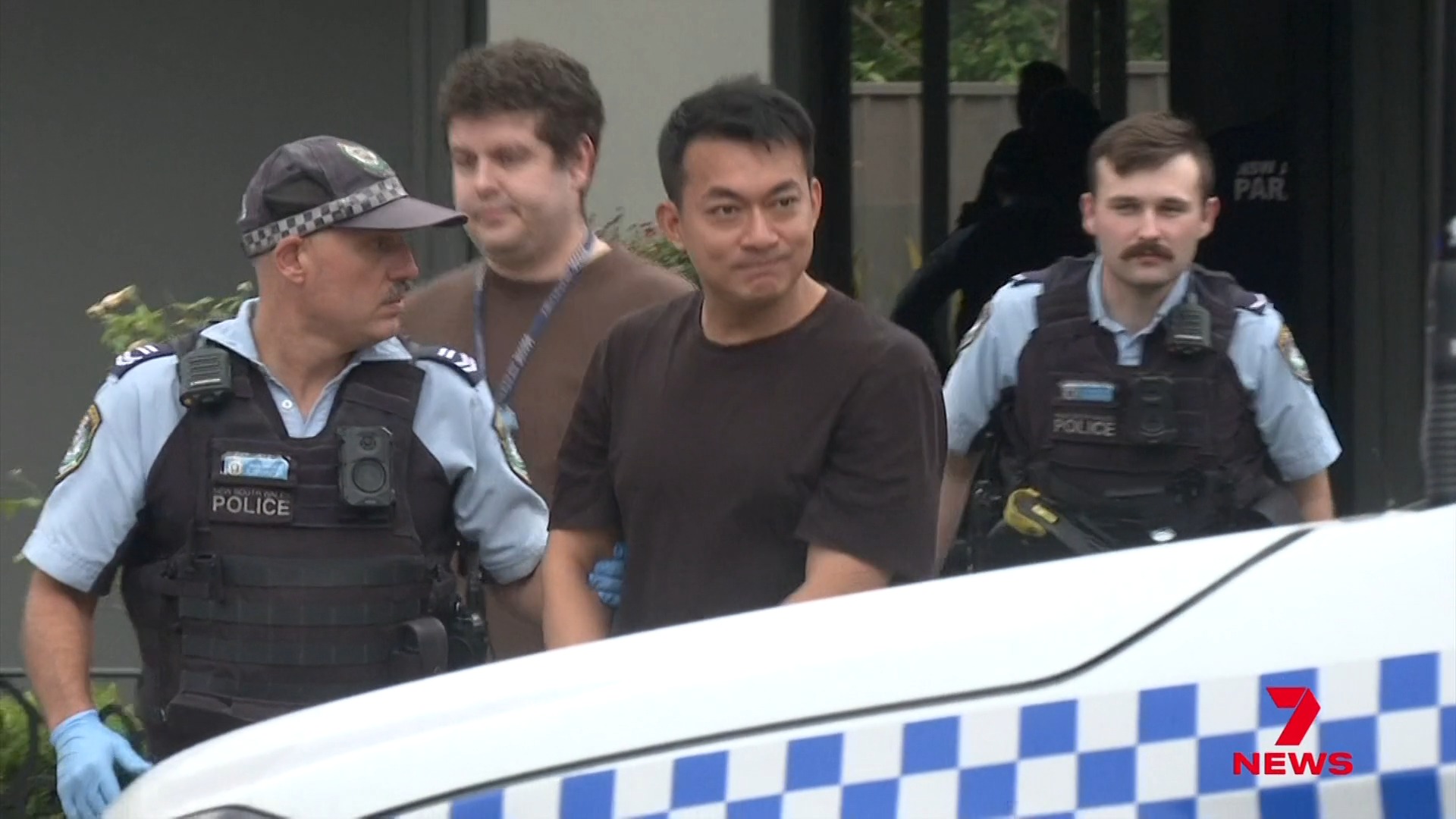
Sydney Man Dies After Police Pepper Spray Incident: Investigation Underway
A recent tragedy in Sydney has cast a spotlight on police use-of-force protocols after a 52-year-old man died in hospital following an incident involving police pepper spray. The man's death occurred after New South Wales (NSW) police officers deployed OC (oleoresin capsicum) spray during an attempt to arrest him in response to a domestic violence callout. This critical incident has triggered a comprehensive investigation, raising serious questions about the safety of such measures and the circumstances under which they are employed.
The Incident Unfolds: A Tragic Outcome
The sequence of events leading to the man's death began when NSW police responded to a domestic violence incident. During the interaction, officers deployed pepper spray against the 52-year-old man. Following the deployment, paramedics were called to the scene to provide immediate medical attention. He was then transported to Westmead Hospital, where he tragically passed away at 8:30 pm that same evening. The death of this man in Sydney has naturally led to significant public and media attention, and a thorough review of the incident.
In the aftermath, a critical incident investigation has been launched. This inquiry is being spearheaded by the Campbeltown Police Area Command and is under the vigilant oversight of the NSW Law Enforcement Conduct Commission (LECC). The purpose of such an investigation is to meticulously examine every aspect of the incident, from the initial police response to the moments leading up to the man's death. This process aims to establish facts, determine if protocols were followed, and ultimately ascertain the exact cause of death.
The "Nonlethal" Debate: Pepper Spray Under Scrutiny
NSW Police Commissioner Mal Lanyon addressed the media on January 6, 2026, cautioning against premature conclusions regarding a direct link between the pepper spray and the man's death. Commissioner Lanyon stated, "It's very premature... The reason that we have a critical incident investigation is to look at that. There may well have been a medical condition that may have been exacerbated." He further characterized OC spray as a "nonlethal option that police have, and it's designed to make sure that we can police safely." He urged patience, allowing the investigation and the coroner's oversight to run their course.
However, the Commissioner's assertion that OC spray is a strictly "nonlethal option" has ignited a significant debate. Critics argue that applying a "crowd-control weapon" to an individual's face, especially if it could trigger or worsen an underlying medical condition, calls into question the "nonlethal" descriptor. Leading legal and social justice advocates have voiced concerns. Sydney Criminal Lawyers, for instance, has firmly stated, "Pepper spray is a chemical weapon, and we should treat it that way." They highlighted historical claims that pepper spray would reduce deaths by serving as an alternative to firearms, suggesting this has not always proven true in practice.
The dichotomy between police rhetoric and the potential physiological impact is a central point of contention. "If you attack somebody with a chemical weapon that is especially lethal against people with a medical condition, the medical condition is not to blame for their death – you are," one social justice advocate contended. This perspective underscores the argument that if a tool, even one intended as nonlethal, contributes to a fatality, its classification needs re-evaluation. For a deeper dive into this crucial discussion, consider reading Is Police Pepper Spray Truly "Nonlethal"? Sydney Death Ignites Debate.
The Investigation and Broader Implications
The critical incident investigation is tasked with uncovering all relevant facts, including the man's medical history, the precise circumstances of the pepper spray deployment, and the subsequent medical attention provided. The LECC's oversight is crucial for ensuring transparency and accountability in the police force. Such independent scrutiny is vital for maintaining public trust, especially when a man dies in Sydney following police involvement.
Beyond this specific case, the incident raises broader questions about police training, the decision-making process for deploying force options, and the effectiveness of current protocols. Historically, pepper spray was introduced in jurisdictions like Queensland to provide officers with an option between "shouting and shooting." Academic analysis has further clarified that pepper spray has been, and continues to be, routinely used not only against violent individuals but also "quite frequently, used to deal with people who were passively noncompliant." This broad application highlights the need for continuous review of its appropriate and safe use.
The legal landscape surrounding the use of "nonlethal" weapons is also evolving. A significant Victorian Supreme Court class action, challenging VicPol officers' use of pepper spray at the IMARC demonstration, achieved success in December 2025. The ruling found that officers had improperly used the weapon, particularly in instances of repeated deployment. This legal precedent suggests a growing judicial expectation for restraint and precision in the use of such tools.
Understanding Police Use-of-Force and Public Safety
The tragic incident where a man dies in Sydney underscores the complex challenges faced by law enforcement and the communities they serve. Police officers are often required to make split-second decisions in high-stress situations, and a range of force options are available to them. However, each tool carries inherent risks, and the assessment of these risks is paramount.
For the public, understanding police procedures and an individual's rights can be crucial. Here are some key points to consider:
- Critical Incident Investigations: These are standard procedures when serious injury or death occurs involving police. Their independence and thoroughness are vital for justice and accountability.
- Understanding OC Spray: Oleoresin capsicum (pepper spray) is an inflammatory agent designed to cause temporary incapacitation by irritating the eyes, respiratory tract, and skin. While generally considered nonlethal, its effects can vary significantly depending on an individual's health and pre-existing conditions.
- Role of the Coroner: The coroner's inquest will ultimately determine the official cause of death and may offer recommendations to prevent similar tragedies.
This incident serves as a stark reminder of the serious consequences that can arise during police interactions, and the critical importance of ongoing evaluation of use-of-force policies and training. As the investigation continues, both the police force and the public will be awaiting the findings with keen interest, hoping for clarity and measures that enhance safety for all. This incident marks another tragic loss of life in Sydney, following other recent unfortunate events such as the Sydney man who died in an e-bike battery fire, each prompting their own investigations and community discussions about safety.
The death of this man in Sydney is a profound tragedy that demands a thorough and transparent investigation. The outcome of the critical incident inquiry, overseen by the LECC and ultimately reviewed by the coroner, will be crucial in establishing the facts and potentially influencing future police protocols regarding the use of pepper spray. It highlights the ongoing debate about what truly constitutes a "nonlethal" weapon, especially in scenarios where individuals may have underlying vulnerabilities. The community awaits answers, seeking clarity and assurance that such incidents are meticulously examined to foster greater safety and accountability within law enforcement.